

Knee injuries are among the most common musculoskeletal injuries affecting people of all ages. The knee is a complex joint made up of bones, cartilage, ligaments, tendons, and muscles that work together to support movement and stability. Because it bears much of the body’s weight and is heavily involved in everyday activities like walking, running, and climbing stairs, the knee is particularly vulnerable to injury.
Knee injuries can range from minor sprains to severe ligament tears or fractures. Understanding how these injuries occur, what symptoms to watch for, and what treatment options are available can help individuals recover more effectively and reduce the risk of long-term complications.
Understanding the Knee Joint
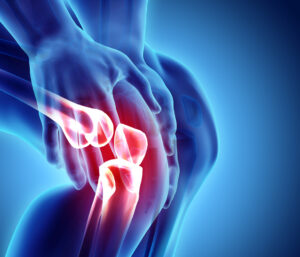
The knee joint connects the thigh bone (femur) to the shinbone (tibia). It also includes the kneecap (patella), which helps protect the joint and improve movement efficiency. Ligaments, cartilage, and tendons stabilize the joint and allow it to bend and straighten smoothly.
Because so many structures work together in the knee, damage to any one component can lead to pain, instability, or limited mobility. This complexity also makes the knee one of the most frequently injured joints in the body.
Common Types of Knee Injuries
Several different injuries can affect the knee joint. Some occur suddenly during trauma or sports activity, while others develop gradually due to overuse.
Ligament Injuries
Ligaments are bands of tissue that connect bones and stabilize the knee. Injuries to these structures are common in sports and accidents.
The following are common ligament injuries:
- ACL injuries. Often caused by sudden stops, changes in direction, or awkward landings after a jump. Symptoms can include a popping sound, swelling, and knee instability.
- MCL and LCL injuries. These ligaments are located on the sides of the knee and can be damaged by direct impact or twisting motions.
- PCL injuries. These injuries often occur in car accidents or falls when the knee is bent.
Severe ligament injuries may require surgery and extensive rehabilitation.
Meniscus Tears
The meniscus is a piece of cartilage that acts as a shock absorber between the femur and tibia. A sudden twist or rotation of the knee can cause the cartilage to tear.
Meniscus injuries are common in sports like basketball, football, and soccer, but they can also occur during everyday movements—especially in older adults whose cartilage has weakened with age.
Tendon Injuries
Tendons connect muscles to bones and help the knee extend and bend properly.
One example is a patellar tendon rupture, which occurs when the tendon connecting the kneecap to the shinbone tears. This injury can cause sudden pain, difficulty walking, and an inability to straighten the leg.
Another common condition is patellar tendinitis, sometimes called “jumper’s knee,” which occurs from repetitive jumping or running activities.
Dislocated Kneecap
A patellar dislocation occurs when the kneecap slips out of its normal position. This injury can cause intense pain, swelling, and visible deformity in the knee joint.
Patellar dislocations may happen due to direct trauma, sudden twisting movements, or structural abnormalities in the knee.
Overuse Injuries
Not all knee injuries result from a single accident. Many develop gradually due to repetitive stress on the joint.
Overuse injuries are common among athletes but can also affect individuals whose jobs require frequent kneeling, bending, or lifting.
Causes of Knee Injuries
Knee injuries can occur in many different situations.
Some of the most common causes of knee injuries include:
- Sports activities
- Slip and falls
- Twisting movements
- Overuse
- Car accidents
Certain risk factors—such as poor conditioning, lack of warm-up before exercise, or muscle weakness—can increase the likelihood of injury.
Symptoms of a Knee Injury
The symptoms of a knee injury depend on the type and severity of the damage. However, several signs commonly occur across many types of injuries.
Typical symptoms include:
- Pain in or around the knee
- Swelling and inflammation
- Difficulty bending or straightening the joint
- Instability or the feeling that the knee may “give out”
- Popping or cracking sounds during movement
- Reduced ability to bear weight on the affected leg
Severe injuries may also cause visible deformity or an inability to move the knee at all. Any sudden, severe pain or swelling should be evaluated by a medical professional.
Diagnosis and Treatment
Healthcare providers typically diagnose knee injuries through a combination of physical examinations, imaging tests, and medical history.
Common diagnostic tools include:
- X-rays to identify fractures
- MRI scans to detect ligament or cartilage damage
- CT scans for detailed imaging of the joint
Treatment options vary depending on the severity of the injury.
Many knee injuries can be treated with conservative care, including:
- Rest and reduced activity
- Ice therapy to reduce swelling
- Compression and elevation
- Physical therapy exercises to restore strength and mobility
- Knee braces or supportive devices
These approaches are often used for mild sprains, minor tears, and overuse injuries.
More severe injuries—such as complete ligament tears, major fractures, or persistent instability—may require surgical intervention. Surgical procedures can repair damaged ligaments, remove torn cartilage, or reconstruct the joint to restore stability.
Recovery time varies widely depending on the injury, but rehabilitation programs are usually necessary to regain full strength and function.
Contact the Kennesaw Personal Injury Lawyers at Starks Byron, P.C. for a Free Consultation
Knee injuries can significantly affect mobility, daily activities, and overall quality of life. Whether caused by sports accidents, falls, overuse, or traumatic events, these injuries often require medical evaluation and proper treatment to prevent long-term complications.
For individuals who suffer knee injuries due to another party’s negligence—such as in a car accident, workplace incident, or other preventable event—seeking legal guidance may be an important step toward recovering compensation. To learn more, contact Starks Byron, P.C. at (404) 795-5115 for a free consultation with a Kennesaw personal injury lawyer.